Blogging Tips That Actually Grow Your Blog's Traffic
SearchBlueprint · · 5 min read · scored 92/100

The blogging tips that actually work are simple: pick one topic and one reader, write headlines that promise something specific, publish on a schedule you can keep, and start an email list before you need one. Themes, plugins, and fancy design matter far less than those four habits.
Blogging Tips for Picking One Topic and One Reader
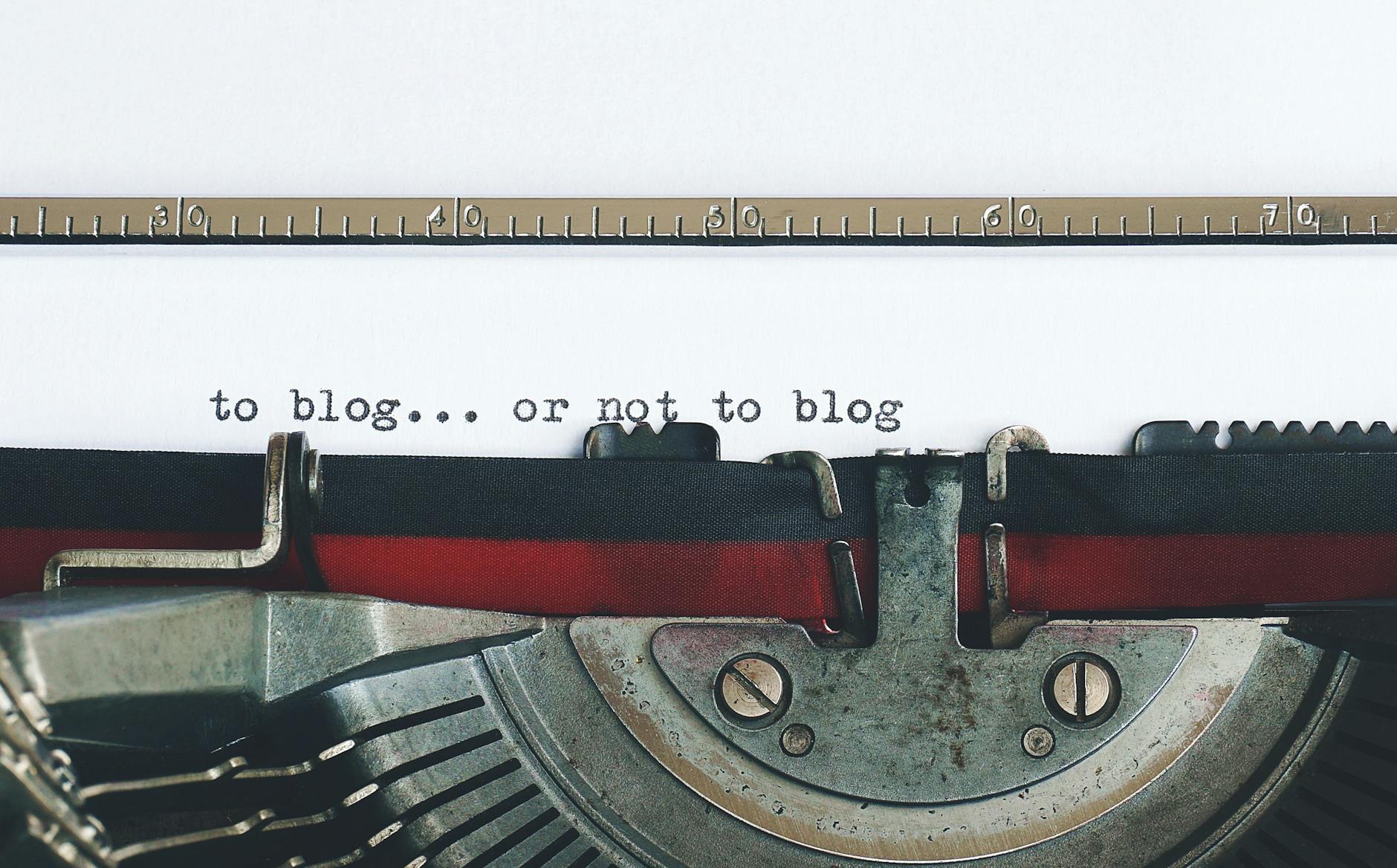
Most new blogs try to cover everything, which is the fastest way to build an audience of no one. Decide who you're writing for and what one problem you solve for them. A blog about "lifestyle" competes with millions of pages; a blog about budget meal prep for night-shift nurses competes with almost none.
This is also where trust gets built or lost. Readers come back to writers who are honest about what they know and don't copy the voice of whoever they admire. One well-known blogging guide puts it bluntly: stop trying to be like someone else, and find the angle only you can offer.
For a longer list of the habits that separate blogs that grow from blogs that stall, see our roundup of blogging tips that actually work.
Blogging Tips for Headlines That Earn the Click

Your headline does the actual selling. A reader decides whether to open a post based on a handful of words in a feed, a search result, or a shared link. The body text never gets a vote if the headline fails first.
| Weak headline | Why it fails | Stronger version |
|---|---|---|
| "Blogging Advice" | No outcome, no reader named | "How to Get Your First 100 Blog Subscribers" |
| "Things About SEO" | Vague topic dump | "3 SEO Mistakes Killing Your Blog Traffic" |
| "My Thoughts on Content" | Reads like a diary entry | "Why Shorter Posts Are Outranking Yours" |
| "Tips for Bloggers" | Generic, keyword-stuffed | "The One Habit That Doubled My Blog's Views" |
The stronger version always names a number, an outcome, or a specific mistake, telling the reader exactly what they'll get before they click.
Publish on a Schedule You Can Actually Keep

Frequency matters less than reliability. A realistic pace, one solid post a week, beats a daily schedule that collapses after three weeks. That's the most repeated blogging tip in every list, and it's still right: consistency beats volume.
Length matters too. One experienced blogger's own rule is 300 to 1,000 words, cutting anything that doesn't earn its place. That's a fine floor for a short update, but not a ceiling for a competitive topic that needs real depth to say more than what's already ranking. Padding a post to look substantial is the exact habit that content quality outperforms in the long run.
Google's own guidance agrees: content written for people first, with real experience and a complete answer, is what its systems are built to surface (see Google's guidance on creating helpful, people-first content).
Reach for Free Tools Before Paid Ones
These blogging tips only work if the basics are right, and free tools catch most of them fast. A meta-tag and heading checker catches a missing title tag or a duplicate H1 in seconds; a keyword suggestion tool shows which phrasing people actually type before you commit a post to the wrong one. Most early-stage blogging problems are structural, not strategic.
Build Something a Platform Can't Take Away
Guest posting on a bigger, related blog is still one of the fastest ways to reach new readers, so write your best material for it, not your leftovers. But the asset that compounds is your own list. One blogger grew a personal blog from nothing to a top-50 site with nearly 40,000 subscribers within about a year, crediting usefulness and consistency, not tricks. An email address you collect today is a reader you can reach directly next year, no matter what a platform changes underneath you.
Interacting with readers matters just as much. Ask a question at the end of a post, run a poll, or turn reader replies into your next piece. A blog is a conversation, and posts that treat it that way get shared more than the ones that don't.
FAQs
How often should I publish a new blog post?
As often as you can sustain without dropping quality. Weekly is realistic for most solo bloggers; daily usually needs a team. A schedule you keep for a year beats a faster one you quit after a month.
Is blogging still worth starting?
Yes. Some assume blogging died years ago, and one veteran blogger recalls being asked "people still do that?" back in 2015. Blogs that answer real questions consistently still earn search traffic and build relationships social posts can't.
How long should a blog post be?
Long enough to fully answer the question and no longer. Some bloggers cap short updates near 1,000 words; a post competing against thorough, well-ranked articles usually needs more depth.
Do I need an existing audience before I start?
No. Guest posting on established blogs in your niche, replying to readers directly, and building an email list from your first post are how most bloggers reach their first real audience.
What's the single most common blogging mistake?
It undermines every other blogging tip on this list: writing for everyone instead of one specific reader, which makes a blog harder to write consistently and harder for readers to describe to a friend.
Fix Your Next Post Before You Publish It
Pick the post you're planning to publish next and run it against the headline pattern above before it goes live. Then check what else might be holding a page like it back: see a sample SEO report built from a real site audit, so you can spot the gaps these blogging tips alone won't catch.
Related reading: Why My Blog Posts Get No Views: The 3 Gates That Decide.
Sources
About the author
SearchBlueprint researched, wrote and scored this article with the content pipeline our customers run on their own sites. The score in the byline is what our content engine gave this page before it published. Nothing here is reviewed by hand, which is the point: it is the product's output, published where anyone can check it.